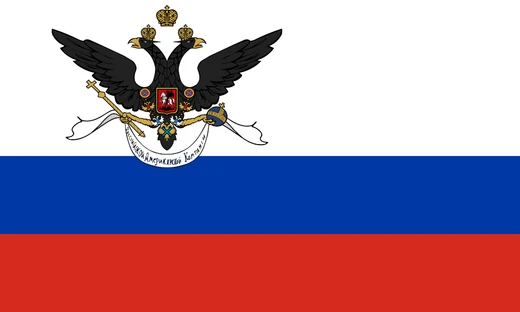
Russo-American Treaty of 1824
1824 treaty ceding Russian claims south of 54°40′N to the U.S.
The Russo-American Treaty of 1824, also known as the Convention of 1824, was a diplomatic agreement signed in St. Petersburg between the Russian Empire and the United States. It addressed territorial claims on the Pacific Northwest coast of North America, ceding Russian claims south of parallel 54°40′ north to the United States, an area then known as the Oregon Country. The treaty was part of a broader series of negotiations involving Russia, the United States, and Great Britain over the region's boundaries and trade rights.
- signed
- April 17, 1824
- ratified
- January 11, 1825
- effective
- January 12, 1825
- signatories
- Karl Nesselrode (Russia), Henry Middleton (U.S.), Pyotr Ivanovich Poletika (Russia)
- articles
- 6
- subject
- Territorial claims in the Pacific Northwest
Lore & Background
The treaty was signed in St. Petersburg by Karl Nesselrode, Russia's foreign minister, Henry Middleton representing the United States, and Pyotr Ivanovich Poletika representing the Russian Empire. It contained six articles and formally transferred Russian claims on the Pacific Northwest coast south of parallel 54°40′ north to the United States. This area was known to Americans as the Oregon Country and was already subject to dispute between the U.S. and Britain following the Adams–Onís Treaty with Spain.
Reader's Guide
The Russo-American Treaty of 1824 was significant in resolving overlapping territorial claims in the Pacific Northwest, a region contested by Russia, the United States, and Great Britain. By ceding Russian claims south of 54°40′ north, the treaty helped define the southern boundary of Russian Alaska and set the stage for the subsequent Anglo-Russian Treaty of 1825, which fixed the Tsar's southernmost boundary at the same latitude. The treaty did not resolve the ongoing Oregon dispute between the United States and Britain, which continued over jurisdiction in the region. Its legacy includes influencing later boundary negotiations and the eventual Alaska Boundary Dispute. The treaty also reflects the diplomatic efforts of the era to manage colonial expansion and trade in the Pacific Northwest, particularly the maritime fur trade.
Did You Know?
- The treaty was signed in St. Petersburg on April 17, 1824.
- It was ratified by both nations on January 11, 1825, and went into effect the next day.
- The treaty gave Russian claims south of parallel 54°40′ north to the United States.
- Signatories included Karl Nesselrode, Henry Middleton, and Pyotr Ivanovich Poletika.
More in Russian colonization of North America 1-24
Spotted an error? Know more?
This is a living reference — every entry is fact-audited, and reader corrections feed straight into our audit queue. Suggest an edit · See this site's audit record