Russian old-settlers
Russian settlers from the 11th–18th centuries across northern frontiers.
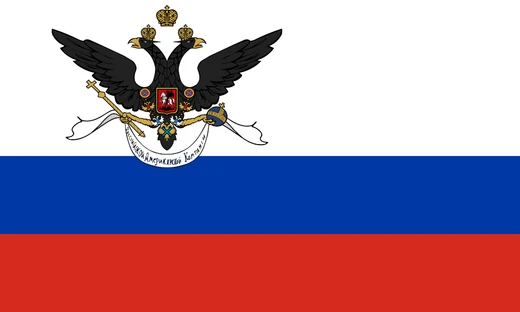
The old-settlers (starozhily in Russian) emerged from waves of Russian migration between the 11th and 18th centuries into the Russian North (where they became known as Pomors), the Urals, Siberia (the Siberians), the Russian Far East (the Kamchadals), and even former Russian America, where they were called Russian Creoles. Their descendants form a distinct historical population. Intermarriage with Indigenous groups was common, as was the borrowing of local words and the adoption of native customs. A large portion of these settlers were Old Believers, at least until the Soviet era began.
Subgroups include: Alaskan Creoles (of mixed Russian, Siberian, Eskimo, Aleut, and other Alaska Native ancestry); Chaldons (Russians mixed with native Siberians); Kamchadals (descendants of Kamchatkan peoples assimilated by Russians); Kamenschiks (Old Believers in Southern Siberia); Karyms and Gurans (métis from Russians mixing with Buryats and Evenks in Buryatia and Transbaikalia); Markovtsy (métis from Russians and Chuvans in Chukotka); Pokhodchane or Kolymans (Russians in Arctic Sakha); Russkoust'intsy or Indigirschiks (métis from Russians mixing with Yukaghirs, Sakha, and Evens in Arctic Sakha); Tundra Peasants (métis from Russians mixing with Evenks and Sakha on the Taymyr); and Yakutians or Lena Peasants (métis from Russians mixing with Sakha).
- field
- Historical settler populations
- nationality
- Russian
- known_for
- Interethnic marriages, cultural adoption, Old Believer heritage
- subgroups
- Alaskan Creoles, Chaldons, Kamchadals, Kamenschiks, Karyms and Gurans, Markovtsy, Pokhodchane, Russkoust'intsy, Tundra Peasants, Yakutians
Lore & Background
The old-settlers originated as Russian migrants who moved into the Russian North, the Urals, Siberia, the Russian Far East, and former Russian America between the 11th and 18th centuries. Their descendants include distinct subgroups such as the Pomors, Siberians, Kamchadals, and Russian Creoles. Among these groups, interethnic marriages with Indigenous peoples were common, leading to the borrowing of local words and the adoption of Indigenous cultures.
Reader's Guide
The old-settlers represent a key historical population that facilitated Russian expansion across northern Eurasia and into North America. Their practice of interethnic marriage and cultural exchange created unique creole and métis communities, such as the Alaskan Creoles (of Russian, Siberian, Eskimo, Aleut, and other Alaska Native ancestry) and the Chaldons (of Russian and native Siberian ancestry). A principal part of them were Old Believers, a religious group that maintained distinct traditions at least until the rise of the Soviet Union. Their legacy is preserved in the diverse subgroups listed in historical records, including the Kamchadals, Kamenschiks, Karyms and Gurans, Markovtsy, Pokhodchane, Russkoust'intsy, Tundra Peasants, and Yakutians. These groups illustrate the blending of Russian and Indigenous cultures across vast territories.
Did You Know?
- The old-settlers include subgroups such as Alaskan Creoles, Chaldons, Kamchadals, and Yakutians.
- Interethnic marriages and borrowing words from local languages were practiced among them.
- A principal part of them were Old Believers, at least prior to the rise of the Soviet Union.
- The Kamchadals are descendants of native Kamchatkan peoples who assimilated with the Russians.
More in Russian colonization of North America 1-24
Spotted an error? Know more?
This is a living reference — every entry is fact-audited, and reader corrections feed straight into our audit queue. Suggest an edit · See this site's audit record