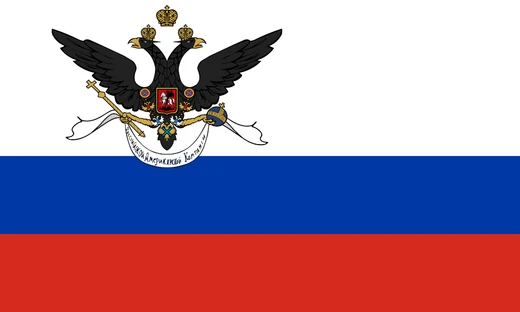
Russian Bishop's House
One of the oldest surviving buildings of Russian America.
The Russian Bishop's House, originally known as the Russian Mission Orphanage, is a historic house museum and National Historic Landmark in Sitka, Alaska. Built between 1841 and 1843, this two-story log structure is one of the oldest surviving buildings of Russian America and served as the home and administrative center of Ivan Veniaminov, the first Bishop of Alaska, later canonized as Innocent of Alaska. It was a centerpiece of the Russian Orthodox Church's efforts to spread its influence among the native peoples of Alaska.
- built
- 1841–43
- location
- Sitka, Alaska
- type
- Log structure, historic house museum
- original_use
- Residence and administrative center for Bishop Ivan Veniaminov
- current_owner
- National Park Service (unit of Sitka National Historical Park)
- designation
- National Historic Landmark (1962), NRHP listed (1966)
Lore & Background
The property includes two secondary buildings: the Old School, a two-story wood-frame structure built in 1897 to provide a kindergarten and girls' school, and House 105, a 1½-story wood-frame structure moved to its present location in the 1950s. The property was designated a National Historic Landmark in 1962 and listed on the National Register of Historic Places as the 'Russian Mission Orphanage' in 1966, reflecting its major function at that time. The National Register designation was altered to 'Russian Bishop's House' in 1980. The house is now owned and managed by the National Park Service and is open to the public on ranger-guided tours.
Reader's Guide
The Russian Bishop's House stands as a rare surviving example of Russian colonial architecture in North America and a tangible link to the Russian Orthodox Church's missionary activities in Alaska. Its significance lies in its association with Ivan Veniaminov, later canonized as Innocent of Alaska, who used the house as his base to nearly double Orthodox worshippers in southern Alaska between 1841 and 1860. The building's history reflects the transition from Russian to American control after the 1867 purchase, and its later use as a printing house for local newspapers illustrates its evolving role in the community. As a National Historic Landmark and unit of Sitka National Historical Park, it is preserved and interpreted by the National Park Service, offering visitors insight into the cultural and religious history of Russian America. The property's secondary buildings, including the Old School and House 105, further document the church's educational and housing activities into the 20th century.
Did You Know?
- The Russian Bishop's House was built between 1841 and 1843 by Finnish laborers brought in by the Russian American Company.
- It was the home and administrative center of Ivan Veniaminov, the first Bishop of Alaska, later canonized as Innocent of Alaska.
- In the 1920s, the ground floor housed a printing operation that produced the Sitka Sun and the Sitka Tribune.
- The property was originally listed on the National Register of Historic Places as the 'Russian Mission Orphanage' in 1966, but the designation was changed to 'Russian Bishop's House' in 1980.
More in Russian colonization of North America 1-24
Spotted an error? Know more?
This is a living reference — every entry is fact-audited, and reader corrections feed straight into our audit queue. Suggest an edit · See this site's audit record