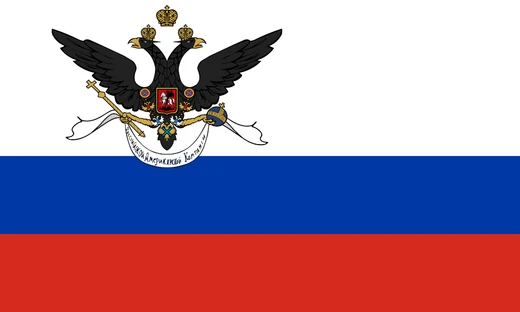
Phoenix (1792)
A Bombay-based fur-trading ship active in the late 18th century Pacific.
The late 18th-century fur-trading vessel *Phoenix* sailed out of Bombay under Captain Hugh Moore. She reached the Pacific Northwest in 1792, stopping at a major Haida settlement on Langara Island. According to historian F. Howay, the bark *Phoenix of Bengal* arrived on the 17th, having left Bengal seven months earlier to trade northward along the coast. From Moore, locals learned of King Louis XVI’s execution in January 1793. The ship remained until the 28th. She wintered in the Columbia River in 1794. In March 1795, *Phoenix* headed south to Alta California, trading for sea otter furs at Santa Barbara, then visited Hawaii and the Qing port of Guangzhou. William Marsden later commissioned her to collect nutmeg and cloves for agricultural projects in Sumatra; she delivered the cargo in July 1798, deemed “a complete success.” The vessel also gave its name to the Russian-American Company brig *Phoenix*, the first ship built in Russian America by Alexandr Baranov. Moore had met Baranov near the “Green Islands” in 1793, where Baranov offered “every assistance in his power.”
- type
- Ship
- home_port
- Bombay
- captain
- Hugh Moore
- field
- Maritime fur trade
- known_for
- Visiting the Pacific Northwest in 1792, wintering in the Columbia River in 1794, and delivering nutmeg and cloves to Sumatra in 1798
Lore & Background
Phoenix, under Captain Hugh Moore, left Bengal seven months before arriving at a prominent Haida village on Langara Island in 1792. While there, Moore informed the villagers of the execution of Louis XVI in January 1793. The ship remained until the 28th. In March 1795, Phoenix sailed south to Alta California, trading for sea otter furs in Santa Barbara before visiting the Kingdom of Hawaii and later the Qing port of Guangzhou. William Marsden later employed the ship to collect several nutmeg and cloves for agricultural efforts in Sumatra, delivering the cargo in July 1798 as 'a complete success.' Moore in the Phoenix had met Alexandr Baranov near the 'Green Islands' in 1793, when Baranov offered him 'every assistance in his power.' Phoenix was the namesake of the Russian-American Company brig Phoenix, the first vessel built in Russian America by Baranov.
Reader's Guide
Phoenix is significant as a vessel that connected multiple regions of the Pacific during the late 18th-century maritime fur trade. Her voyages illustrate the extensive trade networks linking Bombay, the Pacific Northwest, Alta California, Hawaii, Guangzhou, and Sumatra. The ship's role in transporting nutmeg and cloves for agricultural experiments in Sumatra highlights the intersection of commerce and colonial botany. Additionally, the meeting between Captain Hugh Moore and Alexandr Baranov near the Green Islands in 1793 represents an early contact between British and Russian interests in the North Pacific. The naming of the Russian-American Company brig Phoenix after this ship underscores her influence on later Russian colonial shipbuilding in Alaska. The Phoenix's activities, as recorded by historian F. Howay, provide a rare glimpse into the spread of news (such as the execution of Louis XVI) across the Pacific world.
Did You Know?
- Phoenix visited a prominent Haida village on Langara Island in 1792.
- Captain Hugh Moore learned of the execution of Louis XVI in January 1793 while trading on the coast.
- Phoenix delivered nutmeg and cloves to Sumatra in July 1798, described as 'a complete success.'
- The Russian-American Company brig Phoenix, the first vessel built in Russian America, was named after this ship.
More in Russian colonization of North America 1-24
Spotted an error? Know more?
This is a living reference — every entry is fact-audited, and reader corrections feed straight into our audit queue. Suggest an edit · See this site's audit record