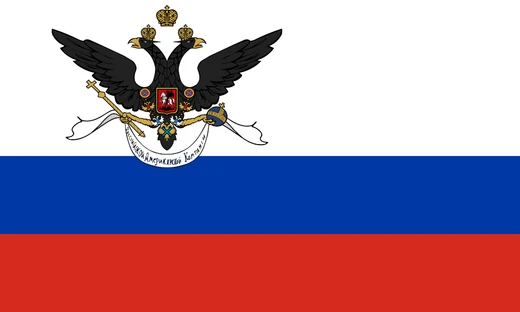
Maritime fur trade
Ship-based fur trade linking Pacific Northwest to China.
The ship-based trade known historically as the North West trade centered on obtaining sea otter and other pelts from Indigenous peoples of the Pacific Northwest Coast and Alaska. It also drew furs from the broader Pacific and Southern Ocean. Its primary market was Qing China, which exchanged tea, silks, porcelain, and other goods for the furs, sending those items onward to Europe and the United States.
Russians pioneered this commerce, reaching the Pacific through the Siberian fur trade in the 1600s and pushing east to the Alaska Peninsula by the 1760s. Spain entered in 1774, Britain in 1778, and the United States in 1788. During this period, Russians controlled the Alaskan coast, while fierce competition between British and American traders played out further south. Though the British were first to operate in that southern region, Americans dominated from the 1790s into the 1830s. When the Hudson’s Bay Company (HBC) joined the trade in the 1820s, it had outcompeted the Americans by about 1840. After that, the HBC and the Russian-American Company (RAC) held sway. The Southern Ocean fur-seal trade peaked in the 1810s and became unprofitable by 1863 due to overhunting.
This commerce connected the Pacific Northwest coast with China, Hawaii, Britain, and the United States. Indigenous communities saw a rapid influx of wealth, alongside increased warfare, potlatching, slaving, and population loss from epidemic diseases. Totems and traditional noble crests grew more significant, and the Chinook Jargon emerged. In the Southern Hemisphere, sealing expeditions led Europeans to settle in previously overlooked Tasmania and New Zealand. Profits from the trade helped revitalize New England, especially its textile manufacturing, fueling a shift from an agrarian to an industrial society.
Sea otter pelts were the most profitable, prized in China, Europe, and America. Aleut hunters provided these skins to Russians as tribute or ransom. With a pre-trade population estimated at 150,000 to 300,000 and a range from Japan to Mexico, sea otters’ slow reproduction made them vulnerable to overhunting, nearly driving them to extinction. They remain endangered today.
While Russians concentrated on sea otters, societies from eastern North America gradually moved their beaver-based fur enterprises westward. From 1792 onward, the beaver trade began supplying the Chinese market alongsi
- field
- Maritime fur trade
- known_for
- Linking the Pacific Northwest coast to China, Hawaii, Britain, and the United States; near-extinction of sea otters and beavers
- nationality
- Russian, Spanish, British, American
- era
- Late 18th to mid-19th century
- key_products
- Sea otter pelts, beaver furs, fur-seal skins
Lore & Background
The trade was pioneered by the Russians, who reached the Pacific through the Siberian fur trade in the 17th century and moved eastward to the Alaska Peninsula by the 1760s. Spanish trading began in 1774, British in 1778, and American in 1788. Russians controlled the Alaskan coast, while the southern coast saw fierce competition between British and American traders. The British were first in the southern sector, but Americans dominated from the 1790s to the 1830s. After the Hudson's Bay Company entered in the 1820s, it outcompeted the Americans by about 1840, and thereafter the HBC and the Russian-American Company dominated operations.
Reader's Guide
The maritime fur trade had profound significance and legacy. It linked the Pacific Northwest coast to China, Hawaii, Britain, and the United States, creating a global commercial network. Among Indigenous populations, it caused a rapid increase of wealth, along with increased warfare, potlatching, slaving, and depopulation due to epidemic disease. The importance of totems and traditional nobility crests increased, and the Chinook Jargon was developed. In the Southern Hemisphere, expeditions of sealers led Europeans to settle in Tasmania and New Zealand. Profits from the trade helped revitalize New England through industrial development, especially textile manufacturing, contributing to its transformation from an agrarian to an industrial society. The most profitable furs came from sea otters, whose slow breeding made them vulnerable to excessive hunting, almost causing their extinction. The beaver trade also proved devastating, with populations taking centuries to recover in some areas, and ecosystems facing ecological destruction and drought.
Did You Know?
- The trade was pioneered by the Russians, who reached the Pacific in the 17th century and the Alaska Peninsula by the 1760s.
- Sea otters had an estimated pre-trade population of 150,000-300,000 ranging from Japan to Mexico, but excessive hunting almost caused their extinction.
- The trade in fur-seal skins from the Southern Ocean peaked in the 1810s and was unprofitable due to overexploitation by 1863.
- The Chinook Jargon was developed as a result of the maritime fur trade.
More in Russian colonization of North America 1-24
Spotted an error? Know more?
This is a living reference — every entry is fact-audited, and reader corrections feed straight into our audit queue. Suggest an edit · See this site's audit record