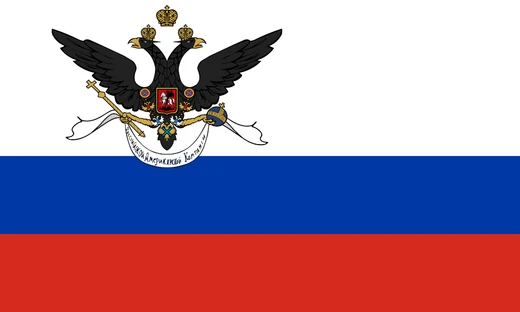
Alaskan Creole people
Privileged colonial citizens of Russian Alaska, later disenfranchised.

Wikipedia / Wikimedia Commons
Alaskan Creoles (Russian: Креолы Аляски) are the descendants of ethnic Russians in colonial Alaska who intermarried with Aleut, Yupik, Inuit, and other Alaskan Native peoples. In Russian Alaska, the term Creole was not a racial category but a designation of 'colonial citizen' in the Russian Empire, constituting a privileged class that could serve in the military, receive free education, and enjoy social mobility.
- field
- Colonial administration, exploration, arts, education
- nationality
- Russian colonial citizens of Alaska
- known_for
- Managing colonial outposts, founding towns, compiling the Atlas of the Northwest Coasts of America, multilingual and multicultural society
- language
- Russian, Alaska Native languages, Church Slavonic
- status
- Privileged class under Russian rule; disenfranchised after the Alaska Purchase
Lore & Background
Creoles played an important role in Russian Alaska, managing colonial outposts and founding new Russian Creole towns. Their professions varied widely: teachers, clergy, navigators, cartographers, ship commanders, missionaries, hunters, interpreters, administrators, and artists. They held a position of honor and respectability. While many Creoles initially were offspring of Sibero-Russian frontiersmen who married native Alaskan women, the colonial government made it possible for all Alaskan natives to become Creole if they pledged allegiance to the Alaskan government. Being Creole was a matter of education, spirit, state of mind, and self-identity. Creoles had tax-exemption from Imperial Russia if they stayed in colonial Alaska, and they were citizens of towns such as New Archangel (now Sitka). Alaskan Creoles spoke Russian and their local Alaska Native language; they could read and write both, and maintained Alaska Native traditions and hunting methods.
Reader's Guide
The Alaskan Creoles represent a unique cross-cultural society that blended Russian colonial governance with Alaska Native traditions. Their significance lies in their role as intermediaries and builders of colonial Alaska: they managed outposts, led expeditions into the interior, and compiled essential geographical data. Tebenkhov, a Creole printer, compiled the 'Atlas of the Northwest Coasts of America' in 1852, which became the basis of American cartography in Alaska for decades after the sale. After the Alaska Purchase in 1867, Creoles lost their privileged status and were disenfranchised. Americans looked down on them, and property seizures occurred despite treaty guarantees. Many Creoles were forced to work under U.S. military supervisors, and their situation became desperate. Their legacy is one of a once-thriving multicultural society that was abruptly dismantled, with Creoles looking back on the colonial period as a golden age.
Did You Know?
- Creoles could become naturalized citizens by pledging allegiance to the Alaskan government, regardless of native ancestry.
- Creoles had free education paid for by the colonial government in exchange for ten years of obligatory state and military service.
- Tebenkhov, a Creole printer, compiled the 'Atlas of the Northwest Coasts of America' in 1852, used for navigation and later American cartography.
- After the Alaska Purchase, only 20 Alaskan Creoles received guarantee certificates for property and liberty, despite treaty promises.
More in Russian colonization of North America 1-24
Spotted an error? Know more?
This is a living reference — every entry is fact-audited, and reader corrections feed straight into our audit queue. Suggest an edit · See this site's audit record