Frequently Asked Questions
The most-asked questions about russian colonization of north america.
What was Russian colonization of North America?
It refers to the period when Russia established a colonial presence on the Pacific coast of what is now the United States, primarily in Alaska and parts of California and the Pacific Northwest. The enterprise ran roughly from the 1740s through 1867, driven by the fur trade and strategic competition with Britain and Spain.
When did Russian colonization of North America begin and end?
Russian exploration and settlement in the region started in the mid-1740s, with formal colonial administration taking shape in the 1780s. It effectively concluded in 1867, when Russia sold Alaska to the United States for 7.2 million dollars.
Where were the main Russian settlements located?
The heart of the colony was in southern Alaska, centered on the settlement of Sitka, originally called New Archangel. Outposts also stretched across the Aleutian Islands, the Pacific Northwest coast, and briefly into northern California at Fort Ross.
Who were the key figures in Russian North America?
Grigory Shelikhov is widely credited as the commercial architect of the enterprise, while Alexander Baranov served as the long-tenured governor who shaped day-to-day colonial policy. Earlier explorers such as Gerasim Pikhachev and Ivan Fyodorov were among the first Russians to reach the Alaskan coast.
What was the economic foundation of the colony?
The fur trade, especially sea otter pelts, was the primary economic engine, with the Russian-American Company operating as a state-chartered monopoly. As otter populations declined, salmon fishing, limited agriculture, and whaling gradually supplemented the fur economy.
How did Russians interact with Indigenous peoples?
Relationships were complex and often coercive, with Indigenous laborers—particularly Aleut and Tlingit communities—compelled to hunt and work under colonial authority. Some intermarriage and cultural exchange took place, and Russian Orthodox missionaries established churches among Native communities.
Why did Russia sell Alaska?
By the 1860s the colony was financially unprofitable, difficult to defend against Britain, and of limited strategic value to a Russia focused on Europe and Asia. U.S. Secretary of State William Seward negotiated the purchase partly to block British expansion into the Pacific Northwest.
What was the Russian-American Company?
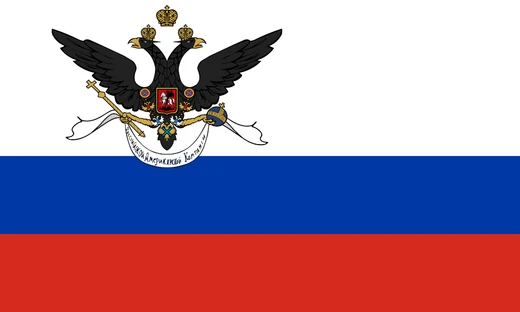
It was a state-chartered commercial enterprise founded in 1799 that held a monopoly on trade and settlement in Russian North America. It functioned almost as a government within the colony, managing commerce, labor, defense, and relations with Indigenous peoples until the 1867 sale.
What legacy of Russian colonization remains today?
Place names like Sitka, Kodiak, and Unalaska preserve the Russian imprint, and Russian Orthodox parishes continue to serve communities across Alaska. The history also lives on in the cultural heritage of Alaska Native peoples and in annual commemorations of the 1867 purchase.
Where should a newcomer start learning about this topic?
A solid entry point is understanding the fur-trade economy and the role of the Russian-American Company, since those two threads explain most of the colony's major decisions. From there, exploring the biographies of Baranov and Shelikhov alongside the experiences of Indigenous communities gives a much fuller picture.